Understanding Why Loss of Control Can Trigger Flying Phobia
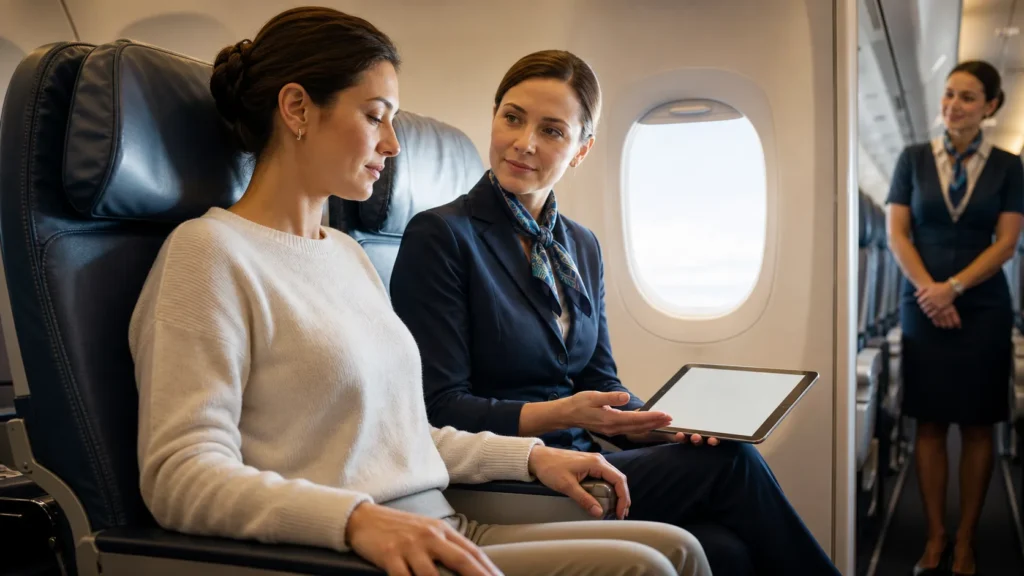
Loss of control can be one of the most upsetting parts of flying. You may not be afraid of heights, turbulence, or the aircraft itself. Instead, the hardest part may be knowing that you cannot pull over, step outside, or personally direct what happens next.
Inside a cabin, you are relying on pilots, weather systems, air traffic control, and many things you cannot see. That can activate a strong threat response, even during a normal flight. At Flying Phobia Therapy NYC, we help people understand how control-related fears can contribute to flying anxiety, aviophobia, and flight panic without asking them to simply push through overwhelming fear alone.
Why Uncertainty Can Feel Dangerous in the Cabin
For people who feel safest when they can plan ahead and influence outcomes, air travel has many unknowns. Weather can change. Flights can be delayed. The route may shift. Turbulence may happen. Even routine sounds from the aircraft can feel unfamiliar when you do not know what they mean.
Your logical mind may understand that trained aviation professionals are responsible for managing the flight. Yet your nervous system may react differently. It may treat a lack of personal control as if it means there is a lack of safety.
This can lead to thoughts such as:
- “What if something happens and I cannot get out?”
- “How can I trust people I have never met?”
- “What if the turbulence gets worse?”
- “What if I panic and cannot stop it?”
These thoughts do not mean you are weak, irrational, or uninformed. They often reflect a protective alarm response that has become too sensitive around flying.
Late October can be a useful time to notice these patterns before Thanksgiving, winter vacations, business trips, or family visits add pressure to book a flight. Anxiety often grows when travel becomes tied to deadlines, expectations, or fear of disappointing someone you care about.
How Past Experiences Can Shape Flight Panic
The causes of flying phobia are not always found in a single bad flight. Sometimes, the brain learns to connect being out of control with danger after an experience that had nothing to do with aviation.
A difficult flight, unexpected turbulence, a panic attack in a store, a medical scare, childhood fears, or a stressful period in life can leave a strong emotional mark. Hearing frightening stories, watching upsetting news coverage, or seeing another person panic can also create an association between flying and danger.
When the next flight approaches, your body may remember the fear before your thoughts can catch up. Flight panic can feel sudden, physical, and deeply convincing. You might experience:
- A racing heart or chest tightness
- Shortness of breath or dizziness
- Nausea, shaking, or sweating
- A powerful urge to leave, cancel, or escape
- The feeling that something terrible is about to happen
Those sensations can then seem like proof that flying is unsafe. In reality, the sensations may be part of the fear response itself. The more alarming they feel, the more the brain may repeat the warning the next time travel comes up.
Understanding where the fear began can bring useful insight. Still, insight alone does not always resolve a phobic response. People with aviophobia or recurring flight panic may need support that addresses the fear response directly rather than repeated exposure to situations that feel unbearable.
When Planning Becomes a Search for Certainty
Planning a trip can be helpful. Choosing a flight, arranging transportation, packing what you need, and giving yourself time at the airport can make travel more manageable. Trouble can begin when planning turns into an urgent search for complete certainty.
Many people repeatedly check weather forecasts, turbulence reports, aircraft details, airline reviews, seat maps, and news stories before a flight. Each search may bring a short burst of relief. Then a new question appears, and the cycle starts again.
Other control-seeking behaviors may include avoiding nonstop flights, choosing a seat based on perceived access to an exit, closely watching flight attendants for signs of concern, or canceling at the last minute. These actions can feel protective, but they may also strengthen the belief that flying is dangerous unless you stay on high alert.
This is why facts about aviation safety do not always settle severe fear. The problem is often not a lack of information. It is the nervous system’s demand for absolute certainty in a situation where no traveler can control every detail.
Understanding Mild Anxiety and Aviophobia
Flying anxiety exists on a spectrum. Some travelers feel mildly nervous during takeoff, worry about turbulence, or feel tense in the days before a trip. Others experience aviophobia or flight panic that leads to major distress, canceled plans, avoidance, and disruption to work, relationships, or family travel.
For mild-to-moderate flying anxiety, our CBT worksheet can be a practical educational resource. It can help you identify anxious thoughts, notice recurring patterns, and prepare for an upcoming flight. It is not presented as a treatment for aviophobia or flight panic.
When fear is phobic, panic feels intense, or avoidance has become a regular part of life, a different level of support may be appropriate. Our Total Reset Method is a non-exposure approach designed to address aviophobia and flight panic in one to three sessions.
There is no shame in needing an approach that matches the intensity of your fear. The goal is not to force yourself through distress or prove that you can tolerate panic. It is to understand what your nervous system is reacting to and address the fear at its source.
Recognizing Control-Related Fear Before Travel
Before holiday travel plans become urgent, it can help to notice whether loss of control is driving your anxiety. You may be dealing with more than ordinary nervousness if you avoid booking flights, feel panicked when travel is discussed, seek reassurance repeatedly, or believe you cannot cope unless every detail is certain.
Recognizing the causes of flying phobia can be a meaningful first step. Flying does not have to remain a situation defined by helplessness. With the right kind of support, it can become possible to address the fear response behind the need for control and approach future travel with greater freedom.
Build Confidence for Future Flights
For additional perspective on the causes of flying phobia, explore how common fears about air travel can be challenged with accurate information. At Flying Phobia Therapy, we use the Total Reset Method to help people experiencing aviophobia or flight panic address the response at its source. When you are ready to discuss your situation, contact us to learn how our team can help.