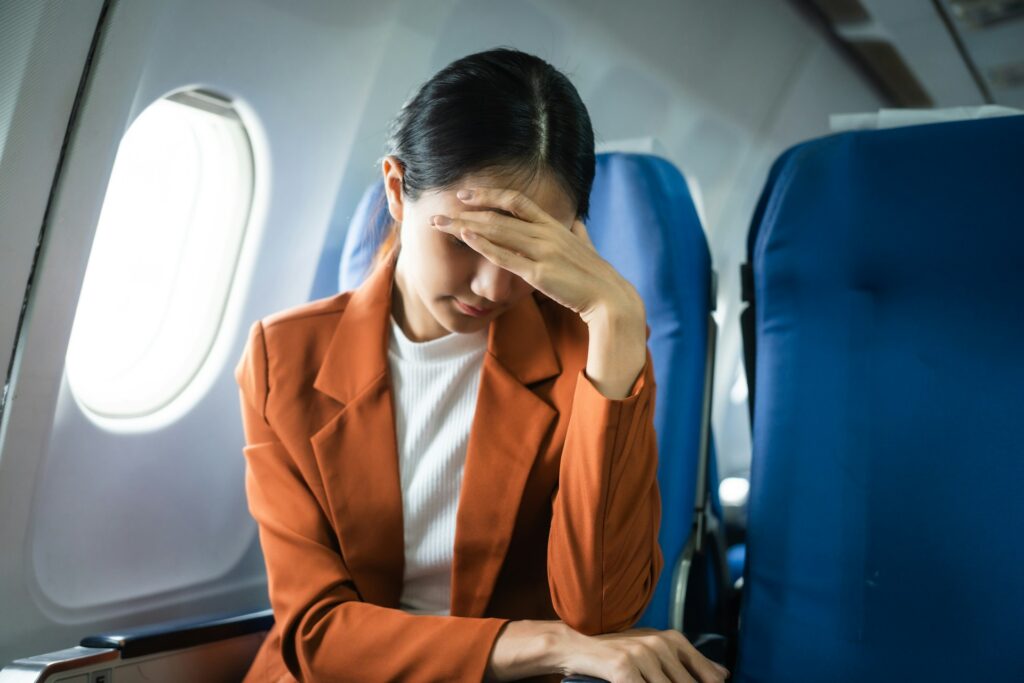
When a Flight Changes Everything
A single bad flight can flip your whole world upside down. One rough landing, a loud bang, a sudden drop, or a medical emergency on board, and something inside feels like it breaks. After that, the thought of stepping onto a plane again can make your heart pound and your chest tighten, even if you used to fly without a second thought.
Many people feel nervous about flying, but trauma-based flying phobia is different. It can feel stronger, stranger, and more physical than regular anxiety. It can make you wonder what happened to the old you who could travel freely.
Here we will talk about what trauma-based flying phobia is, why it feels so intense and confusing, why common exposure methods often do not fix it, and how a non-exposure, trauma-focused approach can help you feel safe in the air again.
How Trauma-Based Flying Phobia Takes Root
Trauma-based flying phobia often starts with one specific event. Before that, flights may have felt normal or only mildly stressful. Then something happens that feels like a real or near disaster.
That event might include things like:
- Severe turbulence that felt like the plane was dropping
- An emergency landing or aborted takeoff
- Smoke, strange smells, or loud mechanical noises
- A frightening medical event involving another passenger
- Any traumatic or scary event associated with flying, such as witnessing the September 11th attacks or experiencing a personal tragedy like the death or severe illness of a loved one that involved air travel
At that moment, your nervous system is not thinking about statistics or safety records. It is focused on survival. Your emotional brain pairs flying with serious danger. The body reacts with a powerful rush of fear, and that surge gets stored along with the memory of the flight.
After that, even small reminders can set off the alarm again, such as:
- Seeing a plane in the sky
- Hearing an engine sound or overhead announcement
- Driving near an airport
- Getting a travel email about upcoming flights
This is not the same as a long, slow build of mild flying worry. Trauma-based flying phobia often shows up suddenly. Someone might say, “I was fine until that one flight, then everything changed.” The fear can feel out of proportion to what is happening in the moment, and that can bring up shame or self-blame. You might think, “I used to handle this. What is wrong with me?” The answer is that nothing is wrong with you. Your nervous system is doing its best to protect you, just in a way that is no longer helpful.
Why Trauma-Based Fear Feels So Intense and Irrational
With trauma-based flying phobia, there is usually a clear split between what you know and what you feel. Your logical brain may say, “Flying is very safe. People do this every day.” At the same time, your emotional brain is acting as if you are back in that worst moment, even if you are just watching a plane in a movie.
Common signs of trauma-based flying phobia include:
- Intrusive images of the worst seconds of the flight
- Feeling like you are suddenly “back there” when you hear a plane sound
- Hyper-focusing on every bump, ding, or change in engine noise
- Feeling trapped, out of control, or sure that disaster is coming
This clash between logic and body can be exhausting. You might plan trips months in advance, then spend all that time worrying. Some people go through with flights while gripping the armrest, tracking every sound, and using all their energy just to stay on the plane. Others avoid flying completely and miss out on vacations, family events, or work opportunities.
Willpower usually is not enough to fix this. You can tell yourself, “Relax, it is safe,” but your nervous system does not listen. It is stuck in a pattern where “plane” equals “danger, get ready to fight, flee, or freeze.” Until that pattern is reset at the trauma level, reassurances and facts only go so far.
Why Traditional Exposure Approaches Often Fall Short
Many standard methods for phobias focus on exposure. The idea is to face the fear again and again until the reaction shrinks. For flying fear, this might include:
- Watching flight videos or live cockpit feeds
- Sitting on a parked plane
- Using flight simulators
- Taking repeated flights while practicing breathing or distraction skills
These steps can help some people, especially those with more general anxiety. But for trauma-based flying phobia, exposure can sometimes have the opposite effect. If the original event felt like a major threat, putting yourself back into similar situations can re-trigger the same intense reaction. Instead of teaching your system that flying is safe, it may confirm the message, “See, I still feel awful, this must really be dangerous.”
Many people with trauma-based flying phobia try years of:
- Talk therapy focused mostly on thoughts
- Medication aimed at calming general anxiety
- Self-help books, podcasts, and forums
- Forcing themselves onto flights and hoping it gets better
When the fear stays strong, it is easy to feel stuck and discouraged. This is not a failure of effort. It is usually a sign that the deeper trauma imprint has not been addressed in the right way for this type of problem.
Resetting the Trauma Response Without Exposure
A different path focuses directly on the trauma response itself, instead of asking you to keep reliving it. At Flying Phobia Therapy in New York City, we specialize in rapid, non-exposure treatment for fear of flying using our proprietary Total Reset Method. The work is trauma-focused and designed specifically for flight-related fear that started or spiked after a difficult event. This method is non-verbal and does not require talking about the “bad” experience.
Non-exposure trauma work means we do not need to put you on a plane, into a simulator, or through endless videos of takeoffs and turbulence. Instead, we help your nervous system update its response to the original flight so it no longer reacts as if you are in danger.
When this “reset” happens, people often notice changes like:
- The memory of the bad flight feels more distant and less sharp
- Thinking about flying no longer triggers the same body surge
- Planning a trip starts to feel neutral or even exciting again
- Sitting on a plane feels boring or normal instead of terrifying
The event itself is not erased, and we are not asking you to pretend it never happened. Instead, the intense emotional charge around it softens. Your logical brain and emotional brain come back into better alignment. Many people are able to make this shift in one to three sessions, even after years of feeling stuck.
The rapid change works best when there are real travel plans on the horizon. These plans serve as the final “post-test” to verify that the phobia has been resolved and is no longer present, like vacation travel, family visits, study abroad, or work trips that you cannot easily avoid or delay.
Take Back the Skies Before Your Next Trip
If your fear of flying started with one clear event, or if you can point to a trip that “changed everything,” there is a good chance you are dealing with trauma-based flying phobia. That does not mean you are weak, broken, or doomed to avoid planes forever. It means your nervous system had one very intense learning experience and never got the chance to fully reset.
At Flying Phobia Therapy, we see people from all over, including right here in New York City, who are tired of planning their lives around this fear. When travel season comes around, they want to visit the people they love, say yes to opportunities, and enjoy seeing more of the world without dread.
Trauma-based flying phobia can feel confusing, overwhelming, and deeply frustrating, especially when logic and reassurance have not helped. But when you target the trauma pattern directly and gently, change is possible, often much faster than most people expect.
Take Your First Step Toward Confident, Calm Flying
If your fear of flying started with a difficult experience, you are not “stuck” with it for life. Our specialists at Flying Phobia Therapy focus on helping people work through trauma-based flying phobia in a structured, evidence-based way, at your pace. When you are ready to talk about what support could look like for you, simply contact us and we will help you plan your next steps toward safer, more relaxed travel.